Reading Cosmetic Ingredient Lists: Order, Percentages and Preservatives, With CelluGrow as the Example
A cosmetic label is a short code that rewards a little practice. These are the rules that matter most, using the CelluGrow list as a worked example.
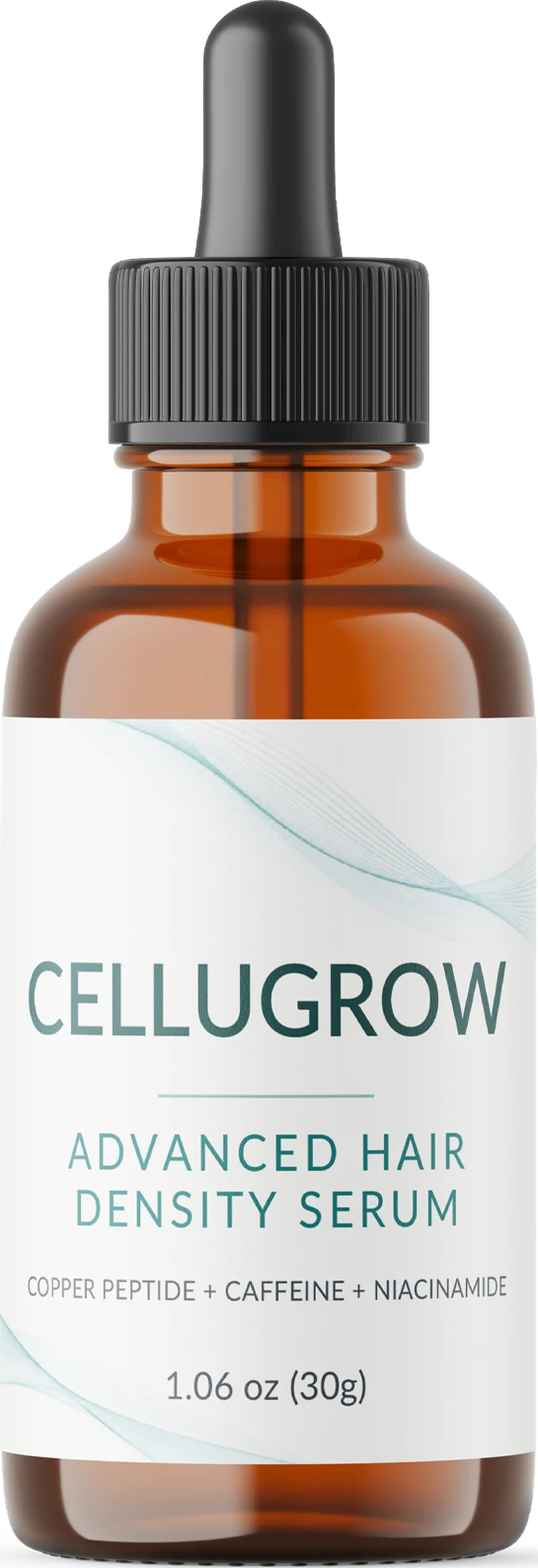
Rule One for CelluGrow and Every Cosmetic: Descending Order
Ingredients are listed from the largest amount to the smallest. Water first means water is the biggest share, as on the CelluGrow bottle.
There is a small exception for ingredients below one percent, which may appear in any order, so the lower part of a list is a rough guide only.
Rule Two for CelluGrow: Names Are Standardized, Amounts Are Not
Cosmetic names follow a standard system, which is why you see copper tripeptide-1 and aloe barbadensis leaf juice. Percentages are not printed, so the label cannot say how much of any name is present.
That is true of every cosmetic, not only CelluGrow, and it is why this website describes ingredients by name and never by effect.
CelluGrow is a cosmetic scalp serum for external use. It does not replace medical advice or prescribed treatment, it is not a treatment for alopecia or any scalp condition, and this website makes no promise about hair growth, density or thickness.
Why Preservatives Appear in a Water-Based Serum Like CelluGrow
Water-based products can grow microbes, so formulas carry preservatives such as phenoxyethanol, usually helped by ethylhexylglycerin. They are there to keep the bottle safe for the weeks you use it.
A very small number of people react to specific preservatives, which is another reason to patch-test.
What the CelluGrow Ingredient List Cannot Tell You
A list does not show how a product feels, how it behaves on your scalp or whether it will suit you. It also does not carry any promise about results.
Compare the list on this site with your bottle, read the cautions and ask a dermatologist if you have a history of reactions.
Read the label, then order CelluGrow
Two, three or six bottles, with a 60-day money-back guarantee.